---
title: How to Overcome Decision Fatigue and Stop Procrastinating at Work
description: Learn 3 practical strategies to overcome decision fatigue at work, reduce procrastination, and make better choices with less mental strain.
image: https://abetterworkday.com/hubfs/Website%20Cards/From%20Procrastination%20to%20Progress.%20Get%20More%20Done%20with%20Less%20Stress.png
---
[Skip to content](https://abetterworkday.com/blog/how-to-overcome-decision-fatigue-and-stop-procrastinating-at-work#main-content)
[](https://www.abetterworkday.com)
[](https://www.abetterworkday.com)
- Work with Niamh
- [Consultancy](https://abetterworkday.com/consultancy)
- [Workshops](https://abetterworkday.com/corporate-training-seminars)
- [Keynote Speaking](https://abetterworkday.com/motivational-speaker)
- [About](https://abetterworkday.com/about)
- Resources
- [Blog](https://abetterworkday.com/blog)
- [Online Course](https://abetterworkday.thinkific.com/courses/the-better-workday-blueprint)
- [Podcast](https://abetterworkday.com/podcast)
- [Better Workday Index](https://abetterworkday.com/better-workday-index)
- [Contact](https://abetterworkday.com/contact)
This is a search field with an auto-suggest feature attached.
- There are no suggestions because the search field is empty.
# How to Overcome Decision Fatigue and Stop Procrastinating at Work
by [Niamh Moynihan](https://abetterworkday.com/blog/author/niamh-moynihan) on January 28, 2026
[Procrastination](https://abetterworkday.com/blog/tag/procrastination)
Three practical strategies to make better decisions with less mental strain.
By lunchtime, you're done. Not with work, but with making decisions. Your brain feels foggy, and even simple choices feel overwhelming. Sound familiar?
We make decisions all day long. From the moment we wake up until we go to bed, we're choosing. "Will I check my email now or later?" That's a decision. Closing a presentation and marking it ready? Decision. Going back and forth about taking lunch? Another decision.
Decision-making itself isn't the problem. The volume is what matters.
## What Is Decision Fatigue?
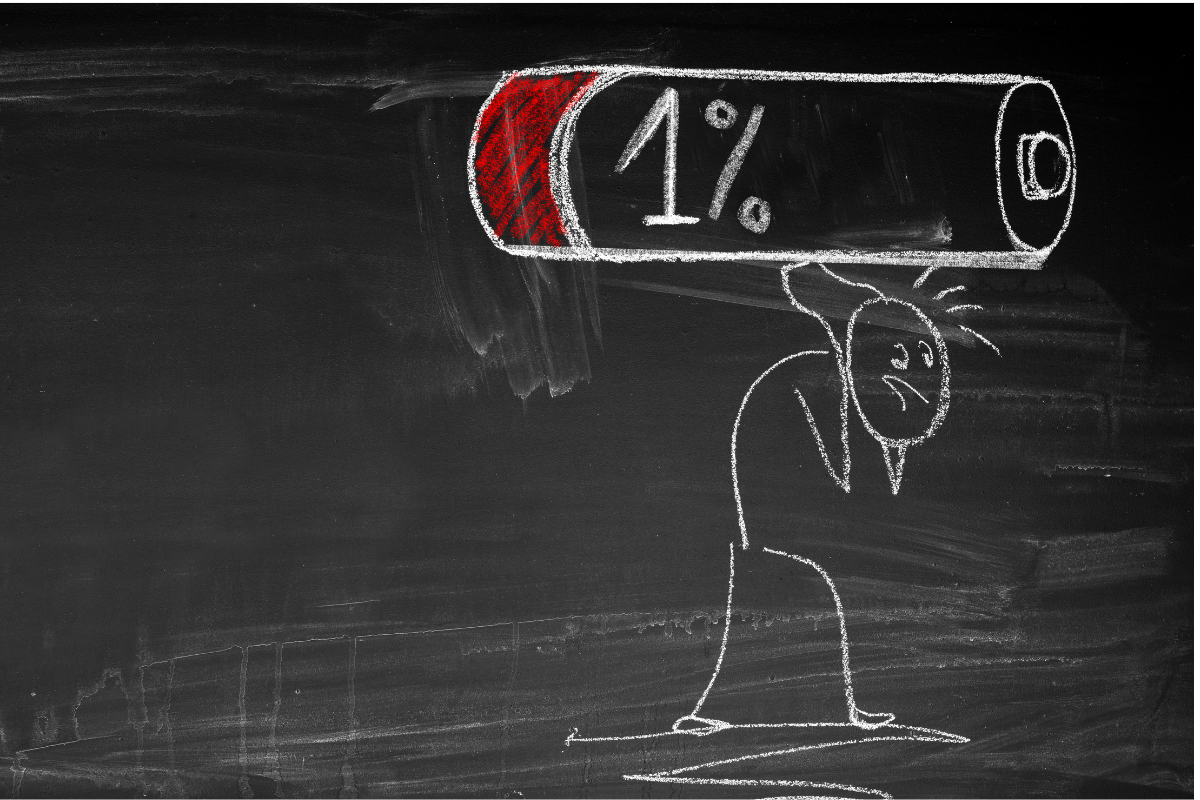
Decision fatigue happens when you make too many decisions in a day. It wears down your mental energy. Think of it like a battery that slowly drains with each choice you make.
Every small decision adds to the pile. Even tiny choices like "will I like that LinkedIn post?" contribute. Should you respond to that email now? Which task should you tackle first? Do you need another coffee? Each choice uses up a little more of your energy.
The result? Many of us feel done by lunchtime. We've used up our best thinking energy on small choices. After that, we rely on habits. Some of these habits are good. Some are not so good. Or we avoid making decisions altogether. We put things off. We tell ourselves we'll decide later.
This is why you might make great decisions in the morning but struggle with the same type of choice in the afternoon. Your decision-making energy is simply used up.
## Beyond Fatigue: Other Decision Barriers
Mental fatigue isn't the only thing that slows us down. Other barriers get in the way as well.
Fear of failure can stop us in our tracks. We worry about making the wrong choice. So we overthink even small decisions. We second-guess ourselves. We look for more and more information before we feel ready to decide.
Not having enough information creates a different kind of hesitation. We don't want to make a blind choice. We want to be sure. But waiting for perfect information means we often wait too long. Things pile up while we're stuck in research mode.
We also worry about how others will respond to our decisions. What will your boss think? How will your team react? This adds more stress to every choice. It gets even harder when different people want different things. You're trying to please everyone, and that feels impossible.
If any of these sound familiar, here's a helpful question to ask yourself: "What is the best decision I can make right now with the information I have?"
This question helps you move forward. It reminds you that you don't need perfect information. You don't need to make everyone happy. You just need to make the best choice you can with what you know today.
Unless your job literally involves saving lives, there's usually wiggle room. You can change direction after a decision is made. You can adjust if you learn something new. But the first step is to make that decision and move forward.
The good news is that you can reclaim your decision-making energy. Here are three strategies that will help.
## Make the Decision Once
Turn daily decisions into predictable routines. This reduces decision fatigue and procrastination. When something happens at the same time in the same way, you don't have to think about it anymore.
Schedule the same activity at the same time every day or week. I do my admin work every Friday morning. I don't decide when to do admin. I just do it on Friday morning. You could theme your days if that suits your role. Maybe Mondays are for planning. Tuesdays are for client work. These routines create a default shape to your day. You don't have to decide what to do every hour.
At a more detailed level, decide at the end of every workday what task you'll do first the next day. Write it down. Make it specific. This gets your day off to a better start. You don't waste morning energy deciding where to begin. It also helps you switch off at the end of the workday. Your mind can rest because it has a plan.
## Consider Multiple Scenarios
Not all situations can have a fixed routine. Some days bring surprises. Some decisions are new. Forcing a structure that doesn't fit causes even more stress. A balanced approach includes a mix of routine and if/then planning.
Take time to consider different events likely to come up in your day. Think about how you'll respond to them before they happen. This is called scenario planning.
For example, if more than three people can't attend the meeting, then I'll reschedule. If my inbox has more than 50 unread emails by noon, then I'll block 30 minutes before the end of the day to process them. If a client calls with an urgent request, then I'll move my afternoon planning session to tomorrow.
Top athletes use this approach when preparing for important events. They think through different scenarios. What if it rains? What if their main competitor does something unexpected? They have a response ready. It helps you adapt more easily when things don't go to plan.
Keep your if/then list at the back of your notebook or work planner. Update it when you handle new scenarios. Add what worked. Adjust what didn't. This combines planning with lessons learned. You're creating your own personal framework for decisions at work.
## Batch Your Decisions
Task batching is popular in time management. You group similar tasks together. This applies the same principle to decisions. Here's how:
**Schedule time for decision-making.** Pick a specific time for making decisions. Put it on your calendar like any other meeting. There's a benefit here right away. Most people I work with focus better at the start of the day. They can concentrate more easily. Their minds are fresh. Putting time on the calendar means you do this work when you have the most energy.
**Gather all the decisions to be made.** Forgetting to do something is another cause of procrastination. This happens easily when you have a lot on your mind. Before your decision-making time, collect everything that needs a choice. Look at the papers on your desk. Check your task list. Review your emails. Looking at everything increases the chances you'll pick up items that have fallen between the cracks.
**Make similar decisions together.** Have a couple of meetings to reschedule? Look at them together. Check your calendar once. See what times work. Make both changes at the same time. Need to decide which projects to move forward? Review them together. Compare them side by side. See how they fit with your goals.
When we batch decisions this way, we reduce mental fatigue. We focus on similar tasks rather than hopping between completely different types of work. Your brain stays in one mode. You're also more aware of the big picture. Perhaps you'll see how moving meetings might create a schedule conflict. Or how saying yes to one project means saying no to another.
A 30-minute decision block twice a week helps you move stalled items forward. It keeps your desk flowing. It stops small decisions from piling up into big problems.
## Moving from Thinking to Action
Decision fatigue and procrastination don't have to control your workday. The strategies above give you practical ways to make decisions faster and with less mental strain.
Choose one approach to start with this week. Maybe you'll create one routine. Maybe you'll write your first if/then scenario. Maybe you'll schedule your first decision block. Start small, and notice how it changes your energy and productivity.
Spread the word:
[Share this blog post on Twitter](https://twitter.com/intent/tweet?text=I+found+this+interesting+blog+post&url=https://abetterworkday.com/blog/how-to-overcome-decision-fatigue-and-stop-procrastinating-at-work) [Share this blog post on Facebook](http://www.facebook.com/share.php?u=https://abetterworkday.com/blog/how-to-overcome-decision-fatigue-and-stop-procrastinating-at-work) [Share this blog post on LinkedIn](http://www.linkedin.com/shareArticle?mini=true&url=https://abetterworkday.com/blog/how-to-overcome-decision-fatigue-and-stop-procrastinating-at-work)

#### Niamh Moynihan
Follow me on my website Follow me on LinkedIn
Niamh Moynihan is a Productivity Expert, founder of Better Workday and host of The Better Workday Podcast. She teaches new methods for planning, organising, and completing work, which can help you be successful without overwhelm or burnout.
## Related Articles
[](https://abetterworkday.com/blog/mastering-email-management)
### [Mastering Email Management: A Step-by-Step Approach](https://abetterworkday.com/blog/mastering-email-management)
Are you tired of feeling overwhelmed by your overflowing inbox? Are you [afraid to take a break](https://hbr.org/2012/05/are-you-sleeping-with-your-sma) from...
by [Niamh Moynihan](https://abetterworkday.com/blog/author/niamh-moynihan)
[](https://abetterworkday.com/blog/stress-and-wellbeing-at-work)
### [Managing Stress: How to support well-being at work as a manager](https://abetterworkday.com/blog/stress-and-wellbeing-at-work)
Stress is almost guaranteed in the professional realm, particularly if you’re tasked with...
by [Niamh Moynihan](https://abetterworkday.com/blog/author/niamh-moynihan)
[](https://abetterworkday.com/blog/balancing-the-load-strategies-for-an-understaffed-team)
### [Balancing the load: Strategies for an understaffed team](https://abetterworkday.com/blog/balancing-the-load-strategies-for-an-understaffed-team)
Working through breaks. No time for social conversations. Training and other development...
by [Niamh Moynihan](https://abetterworkday.com/blog/author/niamh-moynihan)
### Contact
- [Contact](https://abetterworkday.com/contact)
- [About](https://abetterworkday.com/about)
[mailto:niamh@abetterworkday.com](mailto:niamh@abetterworkday.com)
### Resources
- [Online Course](https://abetterworkday.thinkific.com/courses/the-better-workday-blueprint)
- [Blog](https://abetterworkday.com/blog)
- [Podcast](https://abetterworkday.com/podcast)
- [Better Workday Index](https://abetterworkday.com/better-workday-index)
### Join Our Newsletter
[](https://www.abetterworkday.com)
**©Better Workday 2025. All rights reserved**
- Privacy
- Terms
- About
- Contact
- Help
```json
{
"@context" : "https://schema.org",
"@type" : "BlogPosting",
"author" : {
"@type" : "Person",
"name" : "Niamh Moynihan",
"url" : "https://abetterworkday.com/blog/author/niamh-moynihan"
},
"dateModified" : "2026-01-28T10:45:00.180Z",
"datePublished" : "2026-01-28T10:45:00.000Z",
"headline" : "How to Overcome Decision Fatigue and Stop Procrastinating at Work",
"image" : [ "https://abetterworkday.com/hubfs/Website%20Cards/From%20Procrastination%20to%20Progress.%20Get%20More%20Done%20with%20Less%20Stress.png" ],
"mainEntityOfPage" : {
"@id" : "https://abetterworkday.com/blog/how-to-overcome-decision-fatigue-and-stop-procrastinating-at-work",
"@type" : "WebPage"
},
"publisher" : {
"@type" : "Organization",
"logo" : {
"@type" : "ImageObject",
"url" : "https://abetterworkday.com/hubfs/Better%20Workday%20Branding_Primary%20Logo_Cobalt.svg"
},
"name" : "Better Workday Ltd."
}
}
```